Showing posts with label physiology. Show all posts

Wednesday, January 1, 2014

Multipurpose, controled stress maintenance workouts: they are important.

Im a firm believer in some very specific type of workouts that will help an athlete maintain some key physical qualities during a period of lower training volume and/or intensity. Being forced to ride the trainer may be good because it allows targeted, specific work to be done in a controlled environement. On the other hand, the nature of riding the trainer is very different from riding outdoors, which means some physical qualities may be forgotten or lost during winter time for athletes who can't ride outdoors. Over the years I have tested some of these workouts and with the accumulated experience and help from others, I can now point out the essential caracteristics of these special workouts.

What do I mean by multipurpose and controled stress? First, these workouts are multipurpose because they help maintain (and maybe improve) several key physical attributes needed to perform in the specific sport; here, we'll be talking about cycling. Second, they are controled stress-wise because they are not intended to induce significant systemic stress first hand. The physiological stress is not high enough for major improvement but could serve for maintenance and minor improvements in some areas. They are sporadically inserted in the training schedule and do not form any particular block or focus during the training period.

So, what are they? I generally make them short supra-maximal efforts with equally short recovery time. The total work volume is generally very low and totalizes 3 to 5 minutes of accumulated time at high intensity.

Here are a few practical exemple:

- 2 x 10 x (20s / 40s)
- 2 x 4 x (30s / 30s)
- 2 x 8 x (15s / 15s)

We could create many other possibilities but you should now get the main point.To help you further understand the purpose of these workouts, here are a few more key elements:

1- Intensity needs to be supra-maximal, i-e. above 150% of FTP or above your Maximal Aerobic Power.

2- Short rests help target the aerobic system more then if you'd use longer rests. Remember the goal is not systemic stress but given cycling is an aerobic sport we're better off targeting the aerobic energy pathway then the anaerobic one. There will be an anaerobic contribution to such workouts but as the workout progresses, the aerobic energy contribution should increase.

3- The low total work volume should contribute to ease the post-workout recovery and not compromise further training sessions during the week.

Why do I believe in those workouts? Here are a few advantages I see.

- The high intensity allows for specific neuromuscular targeting. Muscle recruitment and firing patern can be maintained in a sport specific way especially when using a realistic cadence when doing those high intensity efforts. It is therefore good for overall muscle memory.

- The structure of the workout allows for a secondary goal which is energy system solicitation. Like I previously said, I do not think they play a major role in energy system adaptation but they probably won't hurt. The volume is just too low to induce progressive and continuous energy system adaptations. That being said, there will be an anaerobic and aerobic energy contribution and hence, a certain solicitation of those systems.

If you want to maintain some key muscular sport specific requirements, I suggest you try these fairly hard, yet easy to recover from workouts. It could help you step back more easily into outdoor training when the time comes. It would include some variation in your training plan while targeting several useful sport specific elements.


Saturday, October 5, 2013

Winter is coming...

Or at least, thats what the Starks would say! Winter is definitly coming. Leaves are falling off trees and they are covering the trails. The riding at this time of the year is beautiful and there is some more good rides left. 

I've been sidelined with illness for 2 weeks now. I have had time to work on my winter training and document myself a little more. Just like last year, I will jump right into a high intensity approach using somewhat of a polarized patern even though I have a lot less available time during winter because of the outdoor conditions. I thought I'd use this blog post to lay out the hows and whys of my approach, given a few people are asking me questions and are seeking advises.


HOW?

How do I plan the intensity throughout the winter season? I mostly start with very high intensity micro-intervals using wide intensity targets and low total work volume. So I might do some 20 seconds or 30 seconds efforts at intensity well above FTP, averaging ~175% of FTP. The work/rest ratio is often a 1/1 or 1/2 at best and the total work volume varies from 4 minutes to 8 minutes. Some would say I do L6 anaerobic intervals but they are not. The short rests play a major role in the energetic demand of such efforts. The early efforts draw more ATP derived from the anaerobic glycolitic system whilst the subsequent efforts are produced using more and more energy derived from the aerobic glycolitic system. That way, a complete block ends up being heavily aerobic despite the relatively high power output.

After a while I will progressively introduce longer L5 efforts until I reach 2 sessions per week. I then may plan a very intensive L5 block followed by a few days of compelte rest to force adaptations from the intese block.


WHY?

This is where you might ask youself: "why is he using a high intensity approach?". Basically, intensity is scaled with time available. It is mostly based around the weather conditions in my neck of the wood. Tons of snow means I can barely ride outside. If im lucky, I can find some snowshoe trails and ride them but the conditions are so unstable I can't rely on that for a reliable training plan. So my regime is mostly intensity on the trainer. Intensity because I won't be riding the trainer for 3 hours day in day out. I might do a few longer trainer rides during the winter but they are quite rare (and boring).

Why am I not using the highly regarded sweet spot approach might you ask? There are many reasons for this, some personnal, some more objective. This is a very vast topic and I will keep that under the wrap for another blog post


It is an uncommon approach. Most folks will use the sweet spot approach for many reasons. Among other, because that particular approach is often discussed on training forums and seems to be supported by highly regarded coaches from popular coaching groups. I think it is wise to diversify one's training stimuli and therefore explore new apparoches. It is also a good idea to document yourselves and not only listen to coaches out there who earn their living prescribing cookie cutter plans or training plans based off one particular training phylosophy, not to mention the softwares and other training metrics, but that's a whole other topic!

To finish off this article, here are some informations regarding why I use such high intensity efforts during winter:

The micros:

-They are specific to my racing demand on many aspects: muscle recruitment and firing patern, metabolic demand and intensity/rest racing patern.

-They are a good aerobic stimulus to keep things sharp but they should not burn someone out given the low total work volume.

-They are a form of whole body conditioning, or central nervous sytem for that matter. You smash yourself with high intensity but low work volume. It is like telling your brain: "Feel that burn eh? Well, better get used to it, cause there is plenty more to come!". Makes a good preparation for further intense block during winter.


The L5:

-It has been shown they are a good stumulus to induce skeletal muscle adaptations. Probably just as much as longer, steadier efforts. That remains debatable.

-I personnaly seems to recover better from L5 training versus sweet spot training. It might be related to glycogen depletion. L5 intensity uses more glycogen then L3 or L4 intensity for the same duration. The relationship between L5 and L3-L4 total work volume is hard to establish but I think it is safe to say you may pile on less total L5 volume during a single session then you may do with L3 or L4 intensity.

-It may push the upper boundaries of one's aerobic system, leaving more room to fill the tank afterward.


Sunday, September 22, 2013

The need for rest

It's fall here in Eastern Canada. Racing is over for good and after a few good days of complete rest, my body is jsut telling me it needs more. I caught the classic September/October cold so it means im on my butt for at least a whole week. Training or just riding when being sick is just silly. That's one thing I could not get my head around when I started training seriously but I now understand the impact of training when ill and the major consequences it can have on your body and on the season's training cycle. So im now more disciplined with regards to training and illness.

The forced break will have its benefits. First it will serve as a mental rest from physical activity in general and from being on my bike everyday. Mental rest is a key to a good start to winter training. I need to be as fresh as possible mentally to be able to cope with the serious intensity planned for the long winter months.

Second, it obviously serves as a physical break. Replenish those energy stores, rebalance the endocrine system which certainly has taken a solid wack during the racing season. It also means giving the body time to heal all those minor injuries, joint pain and other painful body parts. 

It is important to get enough rest before the winter training regime starts. In the past few years, I was'nt getting much rest between the end of the season and winter. I was basically just riding along on the road or in the trails and taking a few days off here and there but no structured rest period. That recovery week will leave me very fresh and not too detrained. Hopefully the illness heals fast too. 

There is some serious training coming up for winter. Keep following if you like a good dose of training articles and geeky training stuff!

Wednesday, May 8, 2013

MTB specific workouts

Olympic cross-country mountain bike racing as a lot to do with high intensity efforts above FTP followed by recovery at endurance, tempo or close to FTP intensity and/or coasting on descents. Courses often feature short, 1 to 3 minutes climbs with multiple shorter, punchy, steep climbs. You're also forced to accelerate out of corners or put out more power to clear technical obstacle. And let's not even talk about the start of the race, please. Only thinking about it hurts! The overall effort patern sounds much like overloading your system with lactate, then trying to recover and clear that lactate production at a lower pace in order to be able to overload your system again once you reach the next course feature that will require a high power output.

First race of the season was brutal and an eye opener. After analysing my race file, I tweaked some of my workouts to target more specific MTB racing requirements. I have come up with 2-3 workout that I will experiment and/or have been experimenting in the past few weeks. These workouts are some type of micro-intervals workout with moderate to high intensity rest intervals. There are several goals behind each workouts which are adressing specific MTB physiological demands:

1- work at a general critical lactate ''management'' intensity, i-e. arround FTP. The average power for each efforts is generally arround 90% to 110% of FTP depending on effort duration. The ''recovery'' part is done arround 85% to 95% of FTP to force lactate clearance under significant stress.

2- include some short bursts at higher intensity to induce significant lactate production. Bursts are generally done at 120% to 150% of FTP. The bursts average power being more arround 120% to 130% of FTP and the effort spiking arround 150% of FTP.

3- it targets MTB racing neuro-muscular demand with high intensity bursts targeting specific motor unit recruitment and muscle fiber type.

The workouts description:

workout 1: 4 x 5min (20'' @ 90% FTP / 20'' @ 130% FTP) 5min easy

Some tweaked vo2max workout with the average power for the 5 minutes blocks falling arround 110% of FTP. They are 5 minutes blocks where you ride for 20 seconds at 90% of FTP alternated with 20 seconds at 130% of FTP. Mentally very different from an iso power effort. I'd do no more then 4 blocks during racing season and maybe 5 blocks during winter/pre season preparation.

workout 2: 2 x 20min (2' @ 90% FTP / 20'' @ 120%-130% FTP) 5min easy

Nothing new here, only some 2x20 variation. Average power falls arround 90% of FTP depending on how you manage it. A little harder then a regular iso power 20 minutes effort at 90% of FTP.

workout 3: 2 x 8 x (30'' @ 90% FTP / 30'' @ 120% FTP) 5min easy

This one I have not tested just yet and will do tonight. It should be interesting. The relatively low total volume is for the same reason as above, i-e. to match racing season load. Maybe I'd do 3 sets during pre racing preparation.

These workouts could also be well suited to criterium racers or cyclocross racers. Basically any intermittent discipline which results in a high average power output while including a lot of bursts above your FTP could benefit these workouts.

Try them, love them!

Sunday, April 14, 2013

Endurance Athletes and Carbohydrates Part 3

In previous Part 1 and Part 2 of this serie, we mentionned the importance of carbohydrates (CHO) in the recovery process which starts during the training session and continues post-workout. We also realized the impact of proper CHO feeding during exercise to delay peripheal fatigue within the working muscles. There have been some very interresting theories about CHO ingestion during exercise and the onset of central fatigue. The  evidence on the subject is very thin. Some experts say CHO feeding and glucose level regulation could have an impact on central fatigue, some say it doesn't. Nevertheless, the whole mecanism surrounding this phenomenon is fascinating and worth's some attention, even though nobody knows for sure what's happening.


CHO and Central Fatigue
The central nervous system (CNS) is the master commander within the body. Any physiological and biomechanical action originates from the CNS. It relies on glucose as it's sole source of energy to work properly. It can't use any other macronutrients to fuel itself, therefore glucose needs to be available for your CNS, be it by liver glycogen degradation, neoglucogenesis or circulating blood glucose level.

Think about it for a second. What stops you when exercise becomes too difficult? Sure there is massive leg pain, heavy breathing and general discomfort but all those signs of ''pain'' are actual signals sent to your brain. It then analyses those signals and they result in a perceived effort. A general physical en psychological sensation that originates from your brain. Your perception of the effort you are actually putting in is a major factor influencing your capacity to keep going or not. I can tell you I had tons of incoming signals to my brain yesterday during my 3 minutes efforts! Your brain controls your sensations during exercise, your motivation and mood. Remember what it uses as fuel: CHO. Maintaining blood glucose at optimal level as been shown to lead to high CHO oxidation rate, higher blood glucose, reduced perceived exertion in subjects and lower cortisol and growth hormone concentration. Adequate CHO availability to the brain can enhance these physical and psychological parameter and help you achieve your training session or race with higher performance and/or less fatigue.

Now the most interesting part (and debatable one) is the relation between blood glucose level and circulating blood free fatty acids (FFA). If blood glucose level is not maintained, insulin decreases and concentration of hormones epinephrine, cortisol and growth hormone increases, which means blood FFA also increases. An increase in blood FFA as been shown to lead to an increase in blood free-Tryptophan (f-TRP), an amino acid that can be converted in the brain into serotonin. Tryptophan (TRP) generally circulates in blood attached to albumin, a protein found in blood which plays a transporter role. When blood FFA increases, f-TRP also increases because FFA fights with TRP's binding site on albumin. Free-Tryptophan can make it's way to the brain and be converted into serotonin, a major CNS neuro-transmitter associated with arousal, mood, sleepiness and lethargy. Higher concentration of serotonin are generally associated with higher concentration of it's major byproduct, a specific acidic metabolite.

Some studies have shown a relation between fatigue and high concentration of serotonin and it's metabolite. They also investigated dopamine level, another neuro-transmitter involved in muscular control, motivation and arousal, along with it's major metabolite which has stimulating effects on the CNS, as opposed to serotonin, which has suppressive effects. They found dopamine level and it's metabolite were lower when fatigue occured whilst serotinin and it's metabolite level were higher. An inverted relationship which potentially explain fatigue originating from the CNS. All of this very complexe phenomenon originates from blood FFA higher concentration caused by lower blood glucose levels.

Take this with a grain of salt, as some studies have found no relation between brain serotonin levels and the onset of fatigue. As with any study, one says something, the next one says something else. But I thought the whole complexe relationship between CHO and the subsequent chain reaction was a very interresting one to write about and it would certainly require more investigation.

Saturday, April 6, 2013

Vo2max intervals: a love-hate relation

Some of you might know about these type of intervals. They are generally short effort performed at 105-130% of Functional Threshold Power (FTP) or 80-100% of Maximal Aerobic Power. There are plenty of duration possibilities but I usually go with 2 to 5 minutes intervals with equal rest time between efforts. Their general purpose is obvious: increase one's Vo2max, the maximal oxygen volume your body can process during exercise. I think they are essential in a training programme because they bring some adaptations required to raise the aerobic ceiling but they also provide some of the lower intensities adaptations as well. So, they are essential, but I hate em, and love em at the same time. Here's why.


Damn you, pain!

Yes, these are painful! They generally have a relatively high anaerobic contribution especially in the first effort when your anaerobic stores are fresh. Depending on intensity, duration and pacing strategy, you can manipulate the anaerobic contribution to these efforts and therefore make them more or less painful. Though they will remain very uncomfortable. The intensity means you will create a relatively important oxygen deficit in the first few minutes and depending on your particular physiology (Vo2 kinetics) you will reach the effort's oxygen requirements within a given time duration, usually between 60 and 180 seconds. Say you are very well trained and gifted, and reach the required O2 consumption within 60 seconds during a 4 minutes effort, this means you will theorically spend 3 minutes at your maximal O2 consumption, since the effort's intensity is supposed to ellicit Vo2max. Overall, it all means the same thing: pain in your legs, pain in your chest and soft arms.

They are hard to perform on a flat terrain at a certain intensity. Or at least I prefer doing them on climbs because the power is more consistant, more specific to my racing demand and aerodynamics play's less of a role. So they are perfect for hill repeats if you have some long enough hills nearby.

They generally dont create a large kilojoules expandure since the total work duration is usually between 15 and 25 minutes of effort. For those on a kJ's target, they might not be the best type of workout, even though this aspect is debateable.

Finally, I see them more as a complement, the icing on the aerobic cake (who once said that eh?) so you might not want to live on a steady diet of these intervals. Careful, it does not mean they should only be included in your programme when racing comes close, as is the general belief in the power training community. They do induce a significant fatigue so they should be planned carefully in your programme along with well thought out rest days. Indeed, these efforts rely heavily on your glycogen stores so they should generally be attempted in a well rested state unless you are doing some sort of block including multiple days of hard efforts


Yay, only one more to go!

Given the low total work duration, the workout is usually pretty short and all intervals can be done within a 60 minutes workout. Sure the first, second, third intervals are very hard but the mental pain eases off when you reach the second to last interval. I always see the last effort as a bonus. Easy done, only 4-5 minutes of pain and it's over! Ironically, my last effort is often my best one.

The logistic of such a workout is pretty easy to sort out: find a 4-5 minutes hill, climb it 4-5 times and use the descent as your rest time. The best type of hill is a steady one so you can settle in a certain rythm. Speaking of which...

I like these efforts because their duration allows you to settle into a steady, yet very high rythm and maintain it for a nice chunk of time. This is especially true when doing 4 or 5 minutes efforts. Oh, did I mentionned 5 minutes intervals are WAY harder then 4 minutes ones? That additionnal minute makes a significant difference. The feeling of these intervals is pretty close to race situations when you are digging deep on some medium duration efforts. In my opinion, they are very cross-country specific since XCO racing almost always involves a medium duration hill on the course which is repeated 4-6 times.

Finally, I feel they are very effective at inducing marked aerobic changes that will impact a lot of other durations like your FTP. People generally dont think of them when speaking of mitochondria adaptations but the High Intensity Training guru's seem think otherwise (see my post on Hill Climb Repeats). I think they are a wise training strategy when coupled with either long slow rides or more sustained tempo work.


What if...?

Purely speculating about these intervals, I thought (and did read somewhere) they could bring significant skeletal muscle adaptations, namely mitochondria and capilary ones. I recall some high intensity training experts discussion on twitter relating the muscle recruitment patern of such high intensity efforts and targeted muscle fibers adaptations. The ''theory'' mainly speculated that these efforts recruited more motor units, therefore more muscle fibers, which would mean more fibers are working to produce power. More working fibers means more tissu needs to recover and adapt to the stress they ecountered during training. More targeted tissu for adaptations means more mitochondria density and size in more fibers. It also means more capillary density and more capillary arround more fibers too. Now this might be all broscience and pure speculation but the theory makes sense in some way.

What about doing these on hills? Hills generally mean lower cadence and more force applied. More force means more motor unit recruitment... Food for thoughts

Sunday, March 31, 2013

Endurance Athletes and Carbohydrates Part 2

In Part 1 of my serie of blog posts on carbohydrates (CHO) and endurance athletes, we had an overview on the importance of post-workout carbohydrate feeding in the recovery process. It's main role is to refuel muscle glycogen stores in order to set you up for your next training session. This is one part of the recovery equation and CHO plays another major role in the recovery phase by starting its action during the training session.

Ingesting carbohydrates during training has been shown to possibly blunt the glucoregulatory hormonal response (insulin, glucagon, epinephrine, growth hormone and cortisol) during exercise. These hormones (except insulin) are responsible for the increase in blood glucose concentration. Their activity generally increases with exercise intensity or duration in order to level off blood glucose concentration since exercise intensity/duration depends on glucose as fuel. How does CHO feeding during exercise act on your body? What mecanism comes into play? Here is a brief summary of what happens.


Implications in recovery and peripheal fatigue

CHO feeding during exercise could lower blood concentration of the hormone cortisol. Altering cortisol secretions can have some positive effects on recovery. Cortisol is known to suppress the immune system by decreasing T-cells and therefore makes you more prone to catching infections and illness. To regulate blood glucose, cortisol uses the body's amino acids and transforms them into glucose and liver glycogen (neoglucogenesis). This means it can feed your body using it's own tissus such as muscle fibers and connective tissus. Decreasing neoglucogenesis by ingesting CHO during exercise could therefore accelerate the recovery process. During exercise, cortisol blocks glucose entry into the cells which could decrease exercise intensity by promoting free fatty acids (FFA) use as fuel. Less plasma glucose available for working muscles potentially leads to accelerated fatigue of those tissus and can compromise subsequent medium to long term recovery. Decreasing growth hormone effect has similar results since GH supports cortisol action.

Plasma concentration of hormone epinephrine is a strong marker of glycogenolysis. The more epinephrine concentration is found in blood, the more muscle glycogen will be used during exercise to maintain intensity level and liver glycogen to maintain blood glucose levels. Using liver glycogen to maintain blood glucose levels at a stable concentration means less glycogen is used for exercise specific oxidation. CHO feeding during exercise as been shown to reduce epinephrine production and could therefore spare muscle and liver glycogen use. Even though it might be a marginal change, sparing muscle glycogen knowing you only have about 400g available is always something good. The role of endogenous CHO feeding in that case comes down to regulate blood glucose concentrations in order to prevent using  liver glycogen stores to do that task. More glycogen is then available for specific muscle contraction during exercise and could delay exercise specific muscle fatigue.

Insulin levels during exercise generally follows a downward tendancy with exercise intensity/duration. Ingesting CHO during exercise could help maintain insulin secretions at resting levels and could even slightly increase it's production. The main action of insulin is to uptake blood glucose and store it as muscle and liver glycogen. Having normal or slightly elevated insulin levels could then accelerate the recovery process by increasing the rate of blood glucose uptake to cells. It could contribute to muscle and liver glycogen synthesis during exercise as well, delaying peripheal fatigue.

To summarize, endogenous CHO ingestion during exercise helps maintain blood glucose levels stable and blunts glucoregulatory hormones response. Lowering the effect of these hormones could have implications in exercise intensity, fatigue during exercise and post-workout recovery mainly by sparing muscle glycogen stores.

Some theories involving CHO feeding during exercise and glucoregulatory hormonal response are linked to the onset of central fatigue. Decreasing the glucoregulatory hormones effect by CHO feeding leads to more stable blood glucose levels and thus, less free fatty acids blood concentration and oxidation during exercise. FFA blood concentration is thought to promote fatigue during exercise, which brings us to Part 3 in a few days.

Saturday, March 23, 2013

Maximal Aerobic Power Test: so short yet so painful!

First full week of work in months! It was a draining week at my new job and it requires some adaptation. Sleeping patern has changed and I am now usually in bed by 20h30-21h00! That is pretty crazy. I had some sluggish sensations during training this week and felt my legs lacked the high intensity feel. I finished working at 14h00 today (friday) and I was planning on doing my MAP test to see where I was at with my fitness. I fueled accordingly yesterday and today and was NOT looking foward to the pain! Those tests make me nervous just like the stress you feel on the start line when racing.

I have been using MAP tests for a while now and have a serie of datas I can refer back to in order to gauge my fitness and progression. I use the British protocol of 25 watts increments per 1 minute. Canadian riders are more familiar with the canadian protocol which consist in a 30 watts increment every 3 minutes. MAP tests are very protocol dependant. I like MAP tests better then the popular 20 minutes test because it is shorter and is not pacing dependant. The most important factor is picking a protocol and sticking to it in order to compare results from one test to an other. I use this protocol for 3 reasons: 1) it is used by highly reputable British and Australian coaches and sport facilities, 2) it's a protocol from which you can estimate your Functionnal Threshold Power (FTP) and 3) it's easily done on an indoor trainer.


Estimating your FTP from a MAP test result

The result from your MAP test is the last minute average power, usually the highest 1 minute power during the test. From that data you can extrapolate your FTP. It has been said that one's FTP usually falls within 70% to 80% of MAP. Most people use 75% but I prefer being conservative so I use 72% of my final result. Depending on the individual, FTP could be lower then 70% or a little higher then 80%. Another interesting data you can obtain from this test is your mean maximal 5 minutes power. The test's intensity usually does a good job forcing you to produce a high 5 minutes power in the last stages of the test. Typically, a rider's best 5 minutes power should be arround 90% of his MAP using the protocol described above.


The results

Since you might be a power data geek, here's the part you are probably looking foward to: today's results. I am not too much into personnal number showing and all that stuff because I think it sounds pretentious but for the sake of the blog post I will include my personnal numbers. Last 2 tests were done at the end of december and during the first week of febuary. Oddly enough, both tests resulted in the exact same MAP and 5 minutes power: 463 watts and 410 watts respectively. The only difference being the december test saw me lasting 8 seconds in the 475 watts step whilst I lasted 22 seconds in that step during the febuary test. At the time I was a little annoyed by the test's results because I had no improvement. Reflecting on the situation with the precious help of my mentor I realized the result was not bad at all since I was in the middle of a pretty intense training block involving a lot of Vo2max type of efforts. Following this block I headed south 2 weeks ago and could log some long rides and I think all of this is starting to pay off.


The multiple steps of a MAP test

Despite the fatigue and lack of confidence in my form I stepped into the pain and did my test today. The test went very well and I managed to complete the 475 watts stage and log a mere 1 second in the 500 watts step! Final results are looking good for the upcoming season: 483 watts MAP, 425 watts 5 minutes power and a 340-345 watts estimated FTP. All of which, at my body weight, are not numbers to be shy of. Estimated FTP would be exactly 347 watts but given the powermeter has an error margin I prefer staying conservative and call it 340-345 watts. The 5 minutes power is about 87%-88% of my MAP, which makes some sense since I am a bit of a diesel engine.

Its worth giving a try to such test, is easily perform on an indoor trainer and repeatable. I am quite pleased with today's results and it looks very good for the upcoming season. I hope I still have some room for improvement. But for now, I will concentrate on upcoming training sessions. Actually not looking foward to them with the new power target I will need to hit!


Monday, March 18, 2013

Endurance Athletes and Carbohydrates Part 1

A balance in macronutrients is essential in an endurance athlete's diet and we sometimes hear people trying out some funky nutrition shifts such as high fat diet, low carbs diet, etc. One thing is sure, endurance athletes need to have a high proportion of their daily macronutrients intake as carbohydrates (CHO) to perform optimaly. CHO has a lot of functions within the body and I am going to try and make this a series of two or three posts on CHO in relation to exercise, recovery and fatigue.


Carbohydrates and recovery

Heavy aerobic exercise rely mostly on muscle and liver glycogen for fuel. The precious glycogen is stored in limited quantity within the human body and any moderate to hard intensity aerobic effort will be fueled from these reserves. The importance of post-workout refueling is therefore crucial for short and long term improvements. But how does it happen? Why is it so important? Here are some answers on the topic.
Carbs play a major role in the recovery process. Depending on exercise intensity and duration, muscle glycogen stores could be partialy to fully depleted. The average 70kg male has about 400g of muscle glycogen to spare and 100g of liver glycogen. Despite being trainable, the total quantity of stored glycogen remains limited. These reserves generally allow for a sustained moderate-hard effort of 2 hours before being fully depleted.

Post-exercise CHO feeding will ensure the recovery process kicks in by refueling your muscles and liver glycogen stores. A proper post-exercise CHO intake will also help your body trigger all the biological processes to set up training induced adaptations. Fueling back your tanks allows to be ready for your next training sessions. Therefore, better recovery means higher quality/quantity training on a regular basis to achieve your performance goals.

Quite often we can read or hear about the post-workout 30 minutes recovery opportunity window and it's major impact on muscle glycogen synthesis. Though this aspect has been debated, it appears evidence tends to suggest the actual opportunity window is an important part of the post-workout recovery process. Insulin response is high following exercise when CHO is ingested. Tissues sensitivity to insulin and glucose transporters such as GLUT1 and GLUT4 is also higher in the few minutes following hard exercise which would increase their hability to absorb glucose. In that optic, a high glycemic index carbohydrate solution should be prefered when aiming for optimal recovery. Liquid CHO with sodium intake is also favorable to ensure gastric emptying is processed faster.

Traditionnaly, we've been told ingesting a combination of CHO and protein (3:1 to 4:1 ratio) would accelerate the rate of muscular glycogen synthesis. A few experts have studied this issue and it appears coingestion of CHO and protein would only be useful if the quantity of ingested CHO (or total energy) is too low. Drinking a 1,2g/kg/h of a CHO solution (van Loon et al. 2000) would seem like a good approach to post-exercise CHO feeding for optimal recovery.

So what should you learn fro that? The importance of ingesting a liquid CHO solution in the few minutes following hard exercise or competition will enhance the body's capacity to recover. Muscle glycogen synthesis is a slow process which takes some time. Under optimal recovery conditions, 5-7% per hour of total glycogen reserve will be restored. Complete glycogen replenishment can  easily take up to 24 hours to be completed and most of the time 24 hours is not enough. This is a major reason to emphasize post-workout nutritional strategy to achieve your performance goals.

Thursday, March 7, 2013

Hill climb repeats

Such a cold day yesterday here in GA. Very windy, grey and cold air made it a perfect day to hide between Kennesaw Mountain trees and go for some hill repeats. That climb is awesome. The gradient is steady which makes it perfect for steady uphill intervals. It is 2,3km long, 165m total elevation and takes anywhere between 7min to 8min30sec depending on your intensity and if you're going for the odd strava KOM.

I headed there doing a nice little 35min warm up including a low/moderate intensity climb, went back to the base of the climb and started my planned workout. On schedule was 5 x 8min at 105% of FTP with rest time being the time it took to descend the mountain, which is about 3min30sec. Very nice and challenging workout. Managed all intervals almost at 110% of FTP which is pretty good and tells me im in pretty good shape at the moment, unless all the food and booze made me pack an extra 5kg since we arrived here. Hills repeat is pretty MTB specific on a muscle contraction and recruitment perspective. It generally makes you work in quadrant II and forces you to maintain good steady power. The descend was so cold I couldnt ride much longer and had to head back home after my repeats. My time up the climb was about 7min35sec which is decent since I was on a MTB with tires at 25psi. The strava KOM is set at 6min35sec if I recall correctly, which would make it do-able on a road bike at full gas effort taking the right lines up the climb. But im not too much into strava.

This workout is the perfect counter exemple of my last post on The Benefits Of Long Rides. It lacked a bit of intensity to be called a proper high intensity workout but lets consider it that way for the sake of the post. Remember the long rides physiological effect on mitochondria density and size? It was produced via complexe molecular reactions that could be summurized that way: 

Repeated low energy muscle contractions > Icreased intramuscular calcium concentrations > activation of CaMK > activation of the Master-Switch > mitochondria biogenesis = mitochondria adaptations.

Now high intensity workouts also have an important impact on mitochondria adaptations. Though they are stimulated by a different mecanism in the body that involves different molecular components compared with the ''long ride'' chain reaction, they result in the same Master-Switch stimulation.


High intensity training, what, or where is it?

Typically high intensity training is define as being above the second ventilatory threshold, usually above 4mmol blood lactate concentration or when the body can't manage the lactate accumulation. For FTP users out there, I would say from 110% above is a safe bet. Training at high intensities is generally done using work and rest intervals of different durations in order to accumulate a total amount of training stress at a target intensity. There are plenty of possible combinations ranging from micro-intervals to longer work intervals alternated with equivalent or shorter rest intervals. Generally, work and rest intervals durations will be dependent on the quality you want to train. That could actually make the subject of an entire post and even a phd thesis...


How it happens?

As opposed to long distance riding, high intensity efforts involve high energy muscle contractions. These contractions require a lot of adenosine tri-phosphate (ATP) which is simply the high energy molecule derived from nutrients. ATP is the body's energy for all physiological process and high energy muscle contractions require a lot of ATP. This requirement partialy depletes ATP stores which leads to an increase in the concentration of adenosine mono-phosphate (ATP with 2 phosphates removed). Increased AMP activates an enzyme called activated protein kinase (AMPK). AMPK is the signalor for the Master-Switch PGC-1alpha that eventually stimulates mitochondria biogenesis.


So what now?

High intensity training has its place in a training program. Obviously such a type of training has to be monitored carefully with appropriate volume and recovery. It also has a lot of other benefits and one I would like to discuss in a furter blog post is the muscle fibers recruitment and its impact on subsequent adaptations when using such a high intensity training approach.

Tuesday, March 5, 2013

The benefits of long rides


Long slow distance, threshold and sweet spot work, high intensity intervals, micro-intervals; what's best for your cycling fitness? The answer is there is no one size fits all training method. A training program should rather be a strategy built around racing/fitness goals, alternating stresses, specificity and rest. The main goal of training is not getting to ''x'' watts at Functional Threshold Power (FTP) or whatever duration you like. The aim of a proper training plan should be to induce adaptations to improve performance for a given event. Since we're speaking of cycling here, adaptations will mostly be aerobic, either peripheral (skeletal muscle) or central (heart mecanism, blood circulation and respiration). This post will focus on a major peripheral adaptation found in the working skeletal muscle composition and molecular activity.

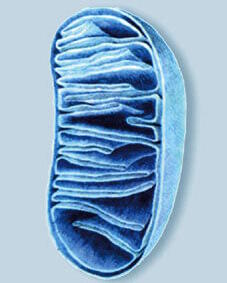
We hear a lot about mitochondria related adaptations, be it for their size and/or density. Mitochondria are the factories of skeletal muscle. They process nutritents and turn them into useable energy (ATP) to produce work that will result in an ouput, in our case, a power output that will make you travel a given distance on your bike and/or will make you travel that distance faster with a given perceived exertion. More mitochondria means more power, less exertion and/or more distance traveled. That is why this specific aerobic adaptation is important for cycling performance. How do one increases his mitochondria density and/or size?


Our little friend, the mitochondrion


LSD

There are plenty of ways to induce such adaptations but I want to focus on a particular way to acheive it: long distance riding. I thought this would be appropriate since I am in the middle of a high volume riding week. Its been argued a lot but evidence shows training a lot of hours in term of volume and frequency is a very efficient way to induce mitochondria biogenesis. The intensity should generally be below the first ventilatory threshold, which happens around 2mmol blood lactate concentration. Its a typical endurance pace, nothing hard but simply producing a moderate amount of work for extended durations.


How it happens?

Long distance riding involves repeated low energy muscle contraction over a significant period of time. These muscle contractions repeated thousands of time create a rise in the level of intramuscular calcium, which is a mineral playing a major role in muscle contraction mecanism. This unusual calcium concentration activates an enzyme called Calcium Modulin kinase (CaMK) which in turn stimulates an activator called PGC-1alpha. The latest is known to be a major cell signal that promotes mitochondria biogenesis and it is refered to as the ''master-switch''. 


What does it mean?

Riding at easy to moderate intensities for long periods of time will produce the physiological effects described above. This kind of high volume training has a  lot of additional benefits we did not spoke of in the article. Though this approach is not for everyone. An athlete needs to consider his available training time, experience and goals. I would not recommend such a training approach for someone working on a sub 12hrs weekly training regime. I would not recommend to base one's training solely on that approach either. I am not sure where we can set the benchmark for ''long rides'' but I think 3,5hrs would be a minimum to acheive optimal training adaptations using this kind of approach. Frequency should also be considered, as one 4hrs ride per week wont be as effective as multiple long rides.

As with everything else, this should be considered cautiously. There is no ''one size fits all'' training method and everyone is different. A whole lot of other variables also come into play and proper planning of rest and recovery should be taken very seriously with any type of training regime.